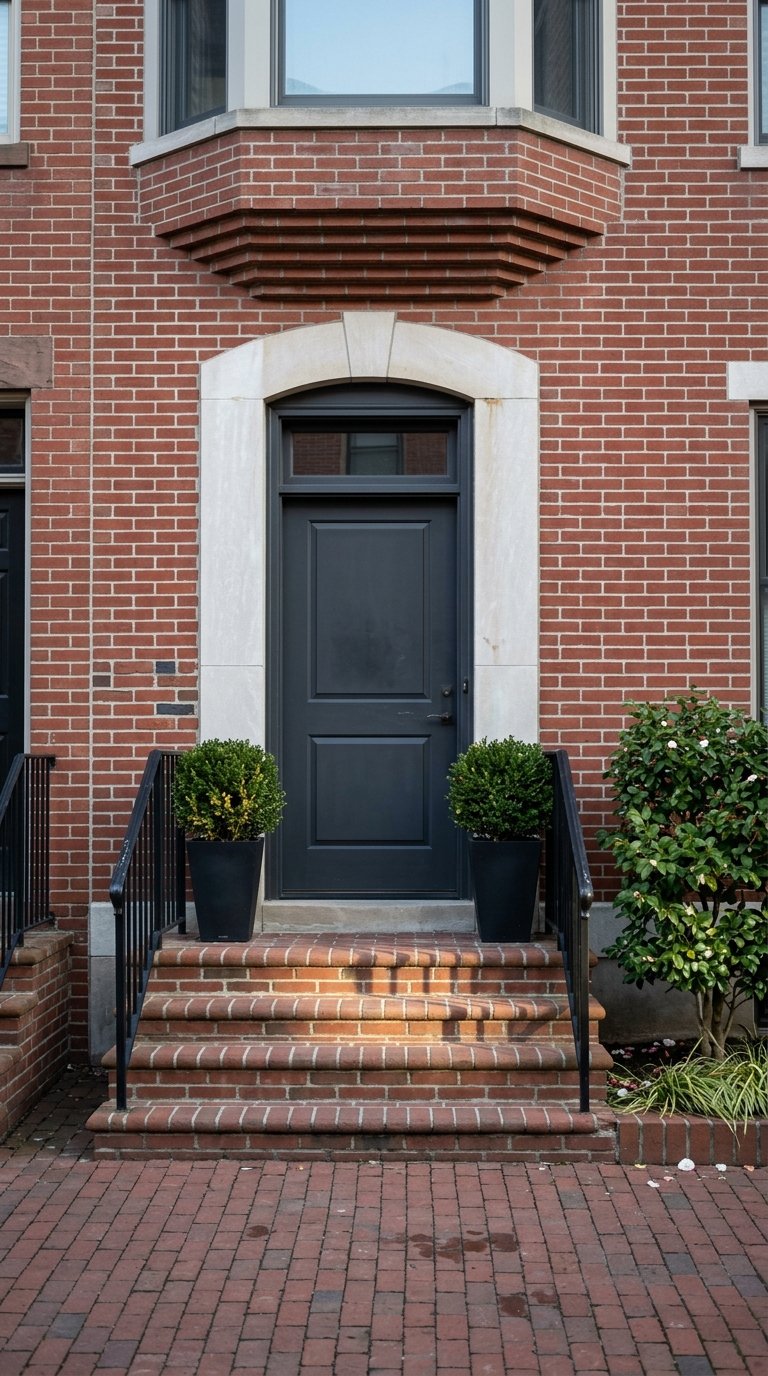
Thinking about buying a Washington, D.C. rowhouse? You are not alone. For many buyers, a rowhouse offers the character, location, and classic city feel that make D.C. living so appealing, but it also comes with some practical differences from a detached home. If you know what to expect before you tour, write, and negotiate, you can make smarter decisions and avoid surprises later. Let’s dive in.
What Makes a D.C. Rowhouse Different
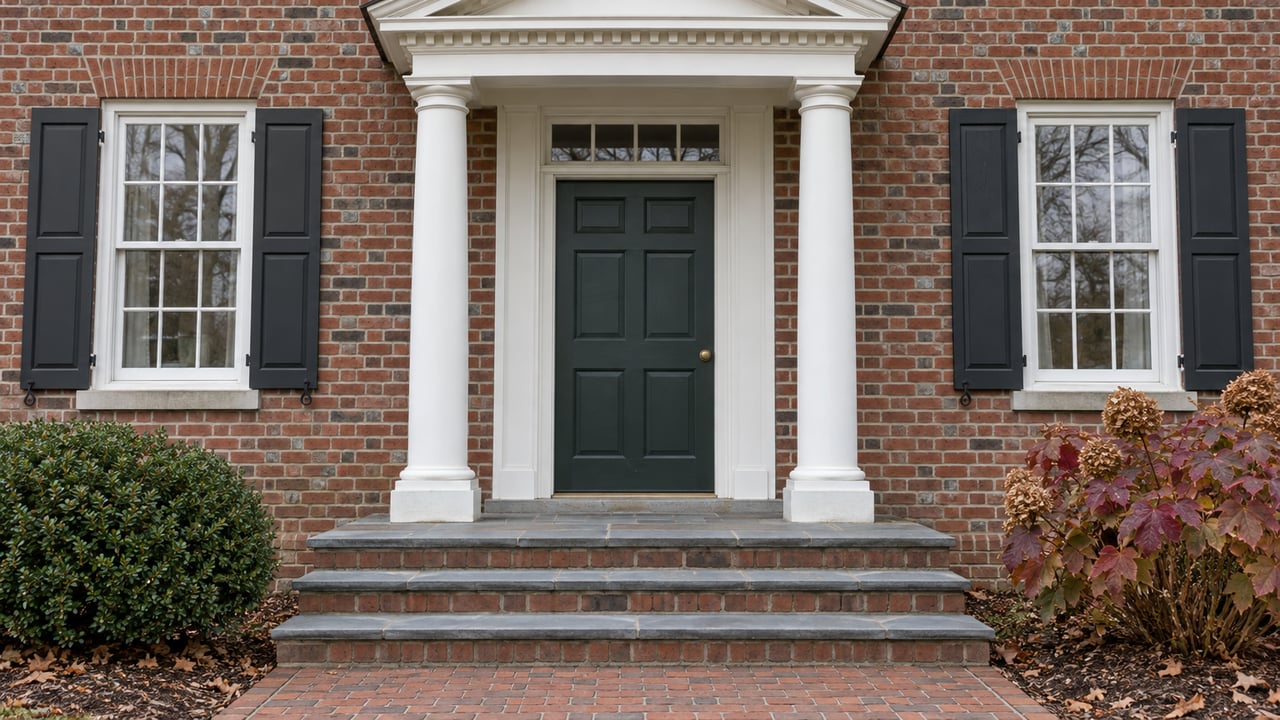
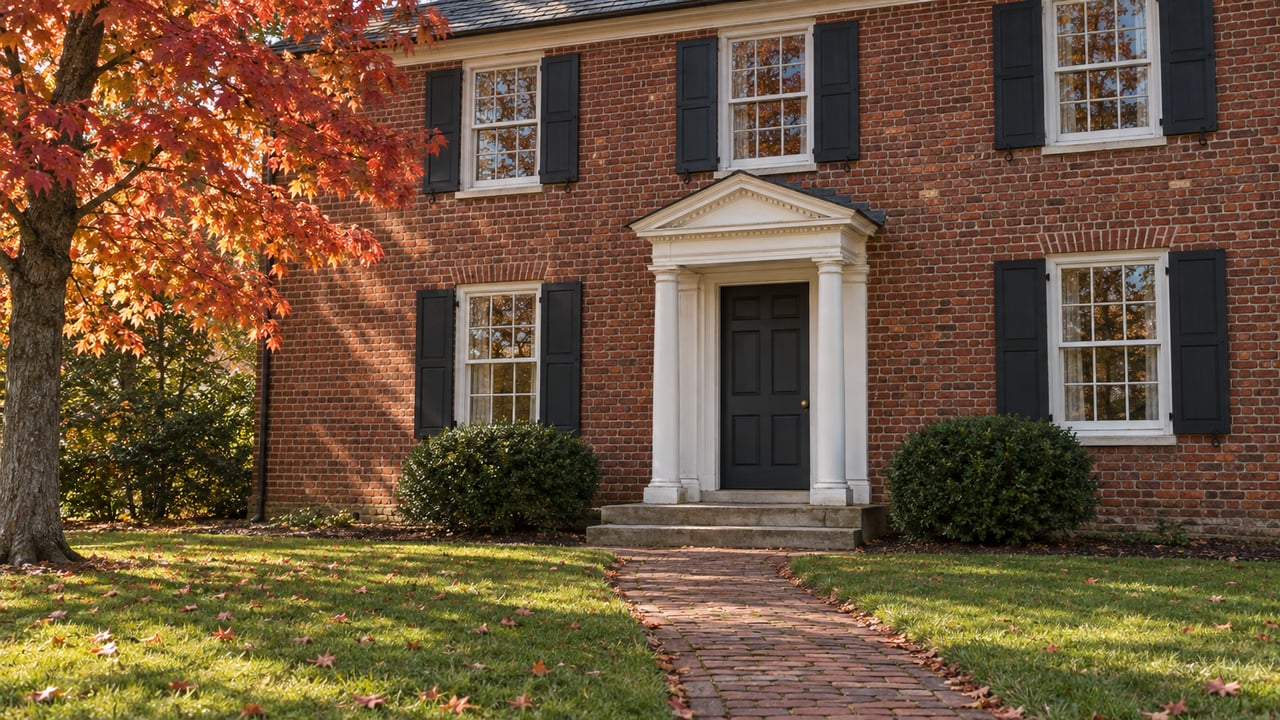
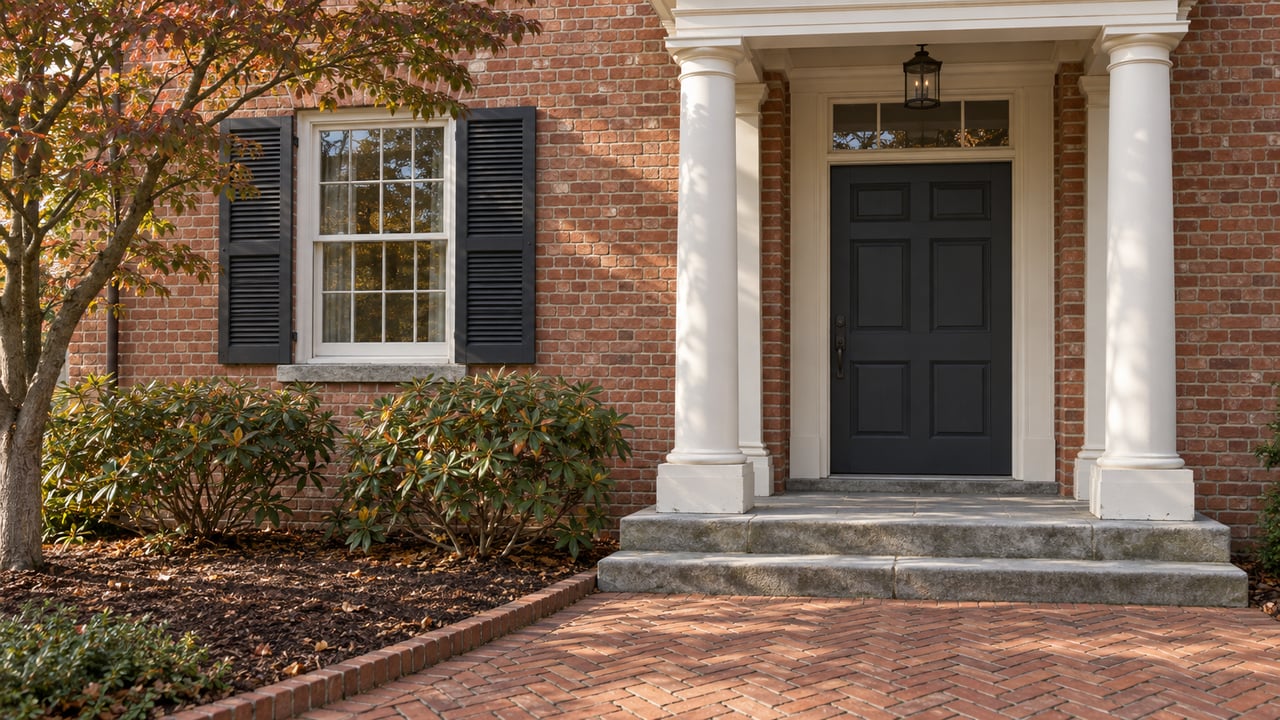
A Washington rowhouse is usually a narrow, attached urban home with a vertical layout. Many classic examples are about 20 feet wide and include features like projecting bays, mansard roofs, and raised front entrances.
That design shapes how the home feels day to day. Compared with a detached house, you should expect a narrower floor plan, fewer side setbacks, and often less private yard space. In many historic areas, the rowhouse form also helps define the look and rhythm of the block.
How Layout Affects Daily Living
One of the biggest adjustments for buyers is the layout. Rowhouses often rise over multiple levels, so living spaces may be more stacked than spread out.
That can be a great fit if you value separation between floors, but it may feel different if you are used to one-level or wide-open suburban homes. Room widths, stair placement, and rear extensions can all have a big effect on how functional a rowhouse feels.
Many D.C. rowhouse blocks also include rear alleys. Historic Preservation Office surveys note that these areas may include alley dwellings, carriage houses, stables, warehouses, and garages, which means rear access can matter almost as much as the front façade.
Rowhouse Ownership Is Not Always the Same
Not every rowhouse purchase works the same way. In D.C., you may find a rowhouse that is owned as a house, a condominium unit, or a cooperative unit.
That distinction matters because each structure affects ownership, monthly costs, and how decisions get made. A condo includes an undivided interest in common areas, while a co-op involves shares and occupancy rights rather than direct title to the unit. Co-op owners also typically pay monthly maintenance charges that reflect operating expenses and debt service on the underlying mortgage.
Before you move forward, make sure you understand exactly what you are buying. This is one of those details that can affect both your financing path and your long-term budget.
Expect Older-House Questions
Many D.C. rowhouses are older homes, and that usually means more condition questions. That does not make them a bad investment. It simply means you should go in with a careful, informed mindset.
If a rowhouse was built before 1978, you should assume lead-based paint could be present unless testing or documentation shows otherwise. Buyers of most pre-1978 homes are entitled to lead disclosures before signing.
Lead risk is highest on friction and wear surfaces like windows and doors. If you plan to renovate, repair, or repaint, especially in an older home, lead-safe work practices become an important part of the process.
Historic District Rules Can Shape Your Plans
A beautiful old rowhouse can offer lasting appeal, but exterior changes may not always be simple. If the property is in a historic district or is a landmark, D.C. Historic Preservation Office and Historic Preservation Review Board guidelines may apply.
Routine exterior maintenance and most interior alterations are generally exempt. However, items like masonry, roofs, windows, doors, basement openings, porches, roof decks, and additions can be subject to review.
That means you should not assume you can replace windows, build a rear addition, or add a roof deck without checking first. If exterior flexibility is important to you, this is a key part of due diligence.
Outdoor Space Is Often Compact
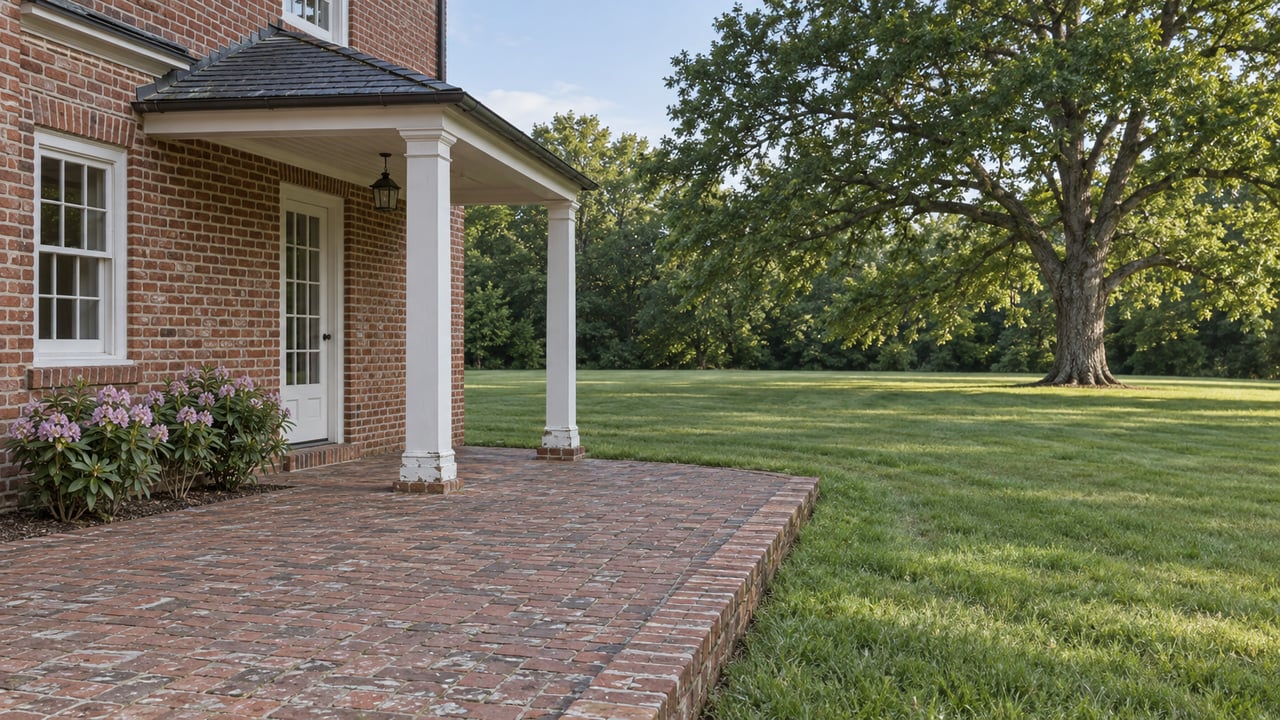
Many buyers love the idea of outdoor space in the city, but rowhouse outdoor living often looks different from what you would find with a detached home. Instead of a large yard, you may have a rear patio, porch, deck, roof deck, or a smaller fenced outdoor area.
That can still offer a great lifestyle fit, especially if low-maintenance outdoor space appeals to you. Still, it helps to think carefully about how you will actually use the space and whether future changes might require review.
In many historic rowhouse neighborhoods, rear alleys and garages also shape how the property functions. Rear access may influence parking, storage, trash handling, and day-to-day convenience.
Financing a D.C. Rowhouse
Before you shop seriously, get preapproved. A preapproval letter is still tentative, but sellers often expect to see one when reviewing offers.
It is also smart to compare multiple Loan Estimates before choosing a lender. That gives you a clearer picture of rates, fees, and how each loan option affects your total cost.
When you build your budget, look beyond principal and interest. Your monthly payment may also include property taxes, insurance, mortgage insurance if applicable, and any condo, co-op, or HOA fees.
Know the Full Cost to Buy
One of the most common buyer mistakes is focusing too much on the purchase price and not enough on total cash needed. Closing costs are separate from your down payment and typically run about 2 percent to 5 percent of the purchase price.
In D.C., transfer and recordation taxes also matter. The Office of Tax and Revenue lists residential deed transfer tax rates of 1.1 percent for transfers under $400,000 and 1.45 percent for $400,000 or more. The same form shows a 0.725 percent recordation tax rate for qualified first-time homebuyers.
Property taxes matter too. D.C. residential tax rates depend on classification, and eligible owner-occupants may qualify for the Homestead Deduction, which reduces assessed value by $91,950 for tax year 2026.
Buyer Assistance May Be Available
If you are buying your first home, local assistance programs may help. The D.C. Department of Housing and Community Development says HPAP can provide up to $202,000 in down payment and closing assistance to eligible first-time homebuyers.
According to DHCD, these homeownership programs can pair with FHA or conventional financing, including FHA 203(k) Streamline Rehabilitation loans. That may be especially relevant if you are considering a rowhouse that needs updates.
Program eligibility and terms can change, so it is worth reviewing your options early. A clear financing plan can make your search more focused and less stressful.
Inspections Matter Even More in Older Homes
Once you are under contract, schedule the inspection as soon as possible. The inspection is different from the appraisal, and that distinction is especially important with rowhouses where age and condition can create unique issues.
A contract contingent on satisfactory inspection can generally be canceled without penalty if serious flaws are found. If major repairs come up during the inspection or appraisal, the lender may require repairs before closing or may set up a repair escrow.
This is where a methodical process really helps. In a rowhouse purchase, timing, documentation, and steady communication can make the difference between a manageable issue and a stressful delay.
What Closing Looks Like
As you move toward settlement, your lender must provide the Closing Disclosure at least three business days before closing. That gives you time to review your final loan terms and closing costs.
At closing, the purchase and loan settle at roughly the same time. You will sign the documents that make the mortgage final and complete the transfer into ownership.
For buyers, this is the point where preparation pays off. If you have already reviewed ownership type, budget, inspection results, and any preservation concerns, closing tends to feel much more predictable.
How to Buy With Confidence
Buying a Washington, D.C. rowhouse can be exciting because these homes offer a style and presence that are hard to replicate. At the same time, they ask a little more from you as a buyer, especially when it comes to layout, age, ownership structure, preservation rules, and budgeting.
The good news is that none of these issues need to be deal-breakers. You simply need a clear process, careful due diligence, and practical guidance so you can evaluate the home in front of you with confidence.
If you are considering a D.C. rowhouse and want an organized, steady approach from first showing to closing, Dewey Reeves can help you move forward with clarity.
FAQs
What is a Washington, D.C. rowhouse?
- A Washington, D.C. rowhouse is typically a narrow, attached urban home with a vertical layout, often featuring details like bays, raised entrances, and historically consistent façades.
What should buyers expect from a D.C. rowhouse floor plan?
- Buyers should expect a narrower floor plate, multiple levels, fewer side setbacks, and usually less private yard space than a detached home.
What ownership types can apply to a D.C. rowhouse?
- A D.C. rowhouse may be owned as a house, a condominium unit, or a cooperative unit, and each type affects title, monthly costs, and financing.
What should buyers know about lead paint in older D.C. rowhouses?
- If the rowhouse was built before 1978, buyers should assume lead-based paint could be present unless testing or records show otherwise, and buyers of most pre-1978 homes are entitled to lead disclosures before signing.
What exterior changes may require review for a D.C. rowhouse?
- In a historic district or landmark context, changes involving masonry, roofs, windows, doors, basement openings, porches, roof decks, and additions may require review.
What closing costs should buyers expect for a D.C. rowhouse purchase?
- Buyers should expect closing costs separate from the down payment, typically around 2 percent to 5 percent of the purchase price, plus applicable D.C. transfer and recordation taxes.
What D.C. homebuyer assistance may help with a rowhouse purchase?
- Eligible first-time homebuyers may qualify for HPAP assistance through D.C. DHCD, which can provide up to $202,000 in down payment and closing assistance.