Looking for a home that gives you easier upkeep without giving up convenience? In Gaithersburg, condos and townhomes appeal to many buyers because they can put you closer to shopping, transit, and major employers while reducing some of the exterior maintenance that often comes with a detached house. If you are weighing your options, understanding how attached-home living works here can help you choose with more confidence. Let’s dive in.
Why attached-home living works in Gaithersburg
Gaithersburg is one of Maryland’s largest cities, with more than 70,000 residents, about 10 square miles of land, and a wide mix of housing types. The city is also roughly 13 miles from Washington, D.C., which helps explain why many buyers look here for a practical balance of access and lifestyle.
The city says it is home to more than 4,000 businesses and is an established biotechnology center. That employment base, paired with strong transportation connections and mixed-use development, makes condos and townhomes a natural fit for buyers who want to stay connected to work, errands, and daily activities.
For many people, the appeal is simple. You may get lower-maintenance living, shared amenities, and a location closer to where you want to spend your time.
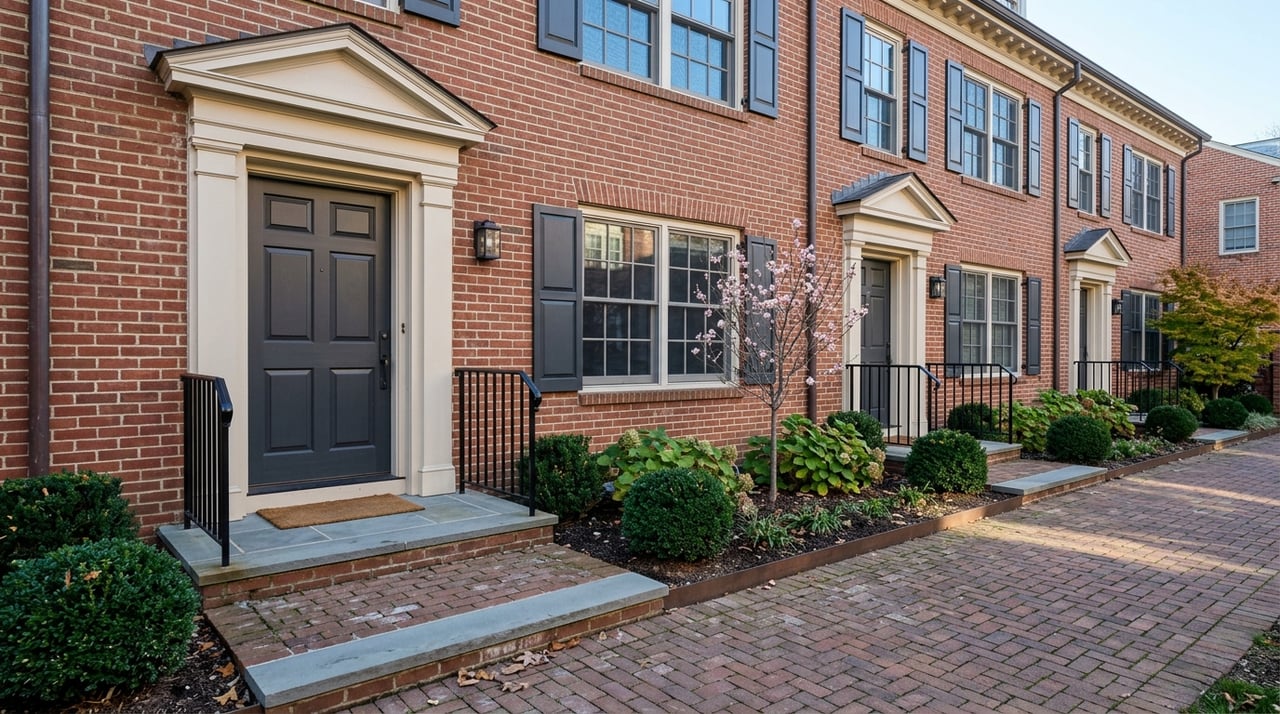
What condo and townhome living means
In everyday conversation, people often group condos and townhomes together. In practice, the ownership structure matters, and Montgomery County notes that a townhouse association is not its own separate legal category.
Instead, the governing declaration determines whether a property is part of a homeowners association, a condominium, or a cooperative. County guidance explains that condo owners own an undivided interest in common elements, while HOA common areas are owned by the association.
That distinction affects how maintenance responsibilities, fees, and insurance are handled. It is one reason two homes that look similar on the outside can work very differently on paper.
What daily life can feel like
Attached-home living in Gaithersburg is not one-size-fits-all. Some communities feel highly walkable and amenity-rich, while others are more transit-oriented or tied to historic commercial areas.
Your experience can vary based on how close you want to be to shops, recreation, and commuting options. Here are a few local settings that help show the range.
Kentlands and Lakelands lifestyle
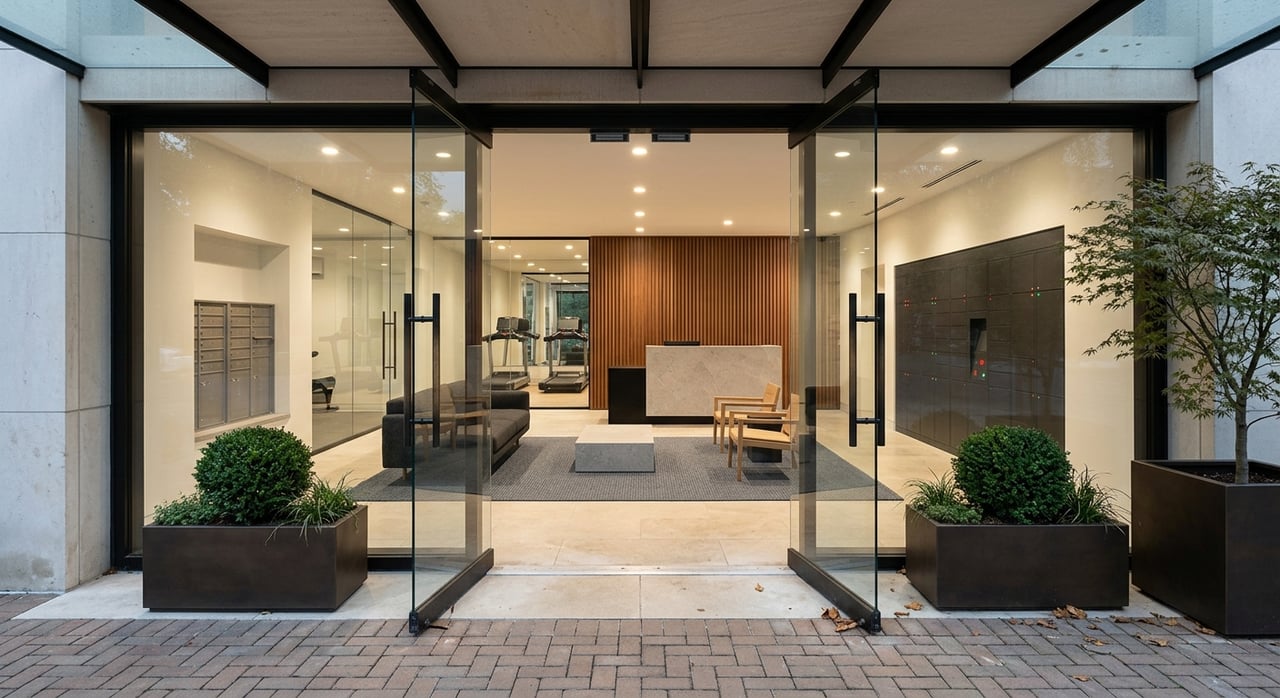
Kentlands is a mixed-use New Urbanist community with walkable districts and pocket parks. Its resident amenities include a pool, fitness center, pickleball, tennis, basketball, EV charging, trash and recycling service, bulk pickup, composting, and snow removal.
That is a strong example of why monthly fees can differ from one community to another. When a neighborhood offers more shared services and amenities, there is simply more to fund and maintain.
Lakelands, next to Kentlands, also supports an active day-to-day lifestyle. The community features running and bike paths, a seasonal farmers market, outdoor musical events, a pool, and a clubhouse with meeting rooms and a fitness center.
Nearby Lakelands Park adds lighted fields, a picnic pavilion, a skate spot, and an accessible playground. If you want an attached-home setting with neighborhood amenities and organized outdoor spaces, this area stands out.
Crown and Downtown Crown convenience
Crown Farm is a large mixed-use, transit-oriented development with 2,250 residential units and up to 320,000 square feet of commercial and retail space. For buyers who want a more modern live-near-everything setup, this area is a clear example.
Downtown Crown includes everyday services and retail such as Harris Teeter, LA Fitness, Sephora, Warby Parker, and Club Pilates. That means many errands, workouts, and casual outings can happen close to home.
If convenience is high on your list, this type of environment can be a major advantage. You may spend less time driving across town for basic needs and more time enjoying the area around you.
Olde Towne and rail access
Olde Towne is Gaithersburg’s historic core, and the city’s rail history is especially visible there. The original train station remains in use, and the railroad shed is home to the Gaithersburg Community Museum.
For buyers focused on commuting or a transit-oriented routine, this part of the city offers a more direct connection to that history and function. Rail access helped shape growth here, and that influence is still part of the area’s character today.
Emerging mixed-use areas
Gaithersburg’s planning pages also point to continued mixed-use growth in places like the Spectrum at Watkins Mill and the Watkins Mill Town Center Urban Core. These projects include multi-family residential uses along with retail, office, and life-sciences or biopharmaceutical space.
For buyers thinking long term, that signals an attached-home story that is still evolving. In other words, Gaithersburg is not done adding the kind of places where condos and townhomes fit naturally into a broader live-work-shop pattern.
Commuting and getting around
Location is a big part of the attached-home appeal in Gaithersburg. The city sits along I-270, Route 355, and the ICC, which supports both local travel and regional access.
Gaithersburg also notes that the Red Line’s Shady Grove Metro Station serves the city and northern Montgomery County. Ride On buses, Ride On extRa, and weekday MARC service add more commuting options.
MARC stops in the Gaithersburg area include the Gaithersburg Train Station, Metropolitan Grove Road, and Washington Grove. If your schedule depends on flexible transportation choices, these connections can make condos and townhomes especially attractive.
Shopping, dining, and everyday convenience
Many buyers choose attached homes because they want convenience built into daily life. Gaithersburg offers several strong examples of that lifestyle.
Rio Lakefront features dining, entertainment, and retailers such as AMC, Dave & Buster’s, Sportrock, Target, IKEA, and Barnes & Noble. Downtown Crown adds another cluster of shops, services, and dining options, while Kentlands offers a more neighborhood-scale Main Street feel with recurring market events.
That variety matters because convenience looks different for different buyers. You may prefer a lively retail center, a walkable neighborhood core, or a mix of both.
Major employers and housing demand
Gaithersburg’s employment base is another reason attached homes draw attention here. The city highlights proximity to NIST, NIH, and FDA, which supports the area’s reputation as a strong employment center.
NIST says more than 2,800 federal employees and 3,200 visiting associates work at its Gaithersburg campus. AstraZeneca has identified Gaithersburg as home to one of its major local operations, and Emergent BioSolutions says its Gaithersburg location includes its corporate office and one of its research and development centers.
For buyers, that means local housing demand is connected to a substantial and diverse job base. Condos and townhomes can be especially appealing when you want access to those employers without the added demands of a larger property.
What monthly fees usually cover
One of the biggest questions buyers ask is what the monthly fee actually does. The answer depends on the community and its ownership structure, but in both condo and HOA settings, the association maintains shared property and can assess fees.
In practical terms, fees may help cover things like landscaping, snow removal, trash service, exterior maintenance of shared areas, and amenity upkeep. Communities with pools, clubhouses, fitness centers, courts, and broader service packages usually have more operating costs than simpler communities.
Kentlands is a useful local example because its amenities and services include pool access, a fitness center, court reservations, trash and recycling, bulk pickup, composting, and snow removal. That helps show why comparing fees without comparing services can be misleading.
Insurance is still part of your budget
If you buy a condo, it is important not to assume the association fee covers all insurance needs. Maryland’s Insurance Administration says there is typically a master policy paid by the association and a separate unit-owner policy purchased by the owner.
That owner policy is an important budget item. Before you buy, it is wise to understand what the association’s master policy covers and what coverage you would still need to carry personally.
Who attached homes tend to fit best
Condos and townhomes can work well for several kinds of buyers in Gaithersburg. Based on the ownership structures, amenity packages, and transportation network described by local sources, they are often a practical fit for first-time buyers, commuters, and downsizers.
If you want less exterior maintenance, easier access to shopping and transit, or amenities you would rather share than maintain yourself, an attached home may line up well with your goals. The right choice depends on your budget, daily routine, and how much value you place on convenience versus space.
Smart questions to ask before you buy
Because attached homes can vary widely, it helps to compare communities with a clear process. A calm, organized review can save you from surprises later.
Ask questions like these as you narrow your options:
- What ownership structure applies to this home?
- What does the monthly fee cover right now?
- Are there amenities you will actually use?
- What maintenance responsibilities belong to you versus the association?
- What transportation options are nearby for your routine?
- What insurance will you need beyond any association master policy?
These questions can help you look past surface-level appeal and focus on the total cost and day-to-day experience.
Choosing between a condo and townhome in Gaithersburg is really about matching the property to your lifestyle, budget, and priorities. With so many different settings, from walkable mixed-use districts to rail-connected areas and amenity-rich neighborhoods, it helps to have a steady process and clear local perspective as you compare your options. If you want thoughtful guidance as you explore the Gaithersburg market, start the conversation with Dewey Reeves.
FAQs
What is the difference between a condo and a townhome in Gaithersburg?
- In Gaithersburg, a townhome describes the building style, but the legal structure may be an HOA, condominium, or cooperative. Montgomery County says the governing declaration determines how ownership and common areas are handled.
What do condo or HOA fees usually cover in Gaithersburg communities?
- Fees vary by community, but they often support shared property maintenance and may include services like landscaping, snow removal, trash service, and amenity upkeep such as pools or fitness centers.
What Gaithersburg areas are popular for attached-home living?
- Buyers often look at communities such as Kentlands, Lakelands, Crown Farm and Downtown Crown, as well as areas near Olde Towne and the rail corridor, depending on the lifestyle they want.
What transportation options support condo and townhome living in Gaithersburg?
- Gaithersburg is served by I-270, Route 355, the ICC, the Shady Grove Metro connection, Ride On bus service, and weekday MARC service with nearby stations in the area.
What insurance should condo buyers in Maryland plan for?
- Maryland’s Insurance Administration says condo owners typically need their own unit-owner policy even when the association carries a master policy, so insurance should remain part of your budget planning.