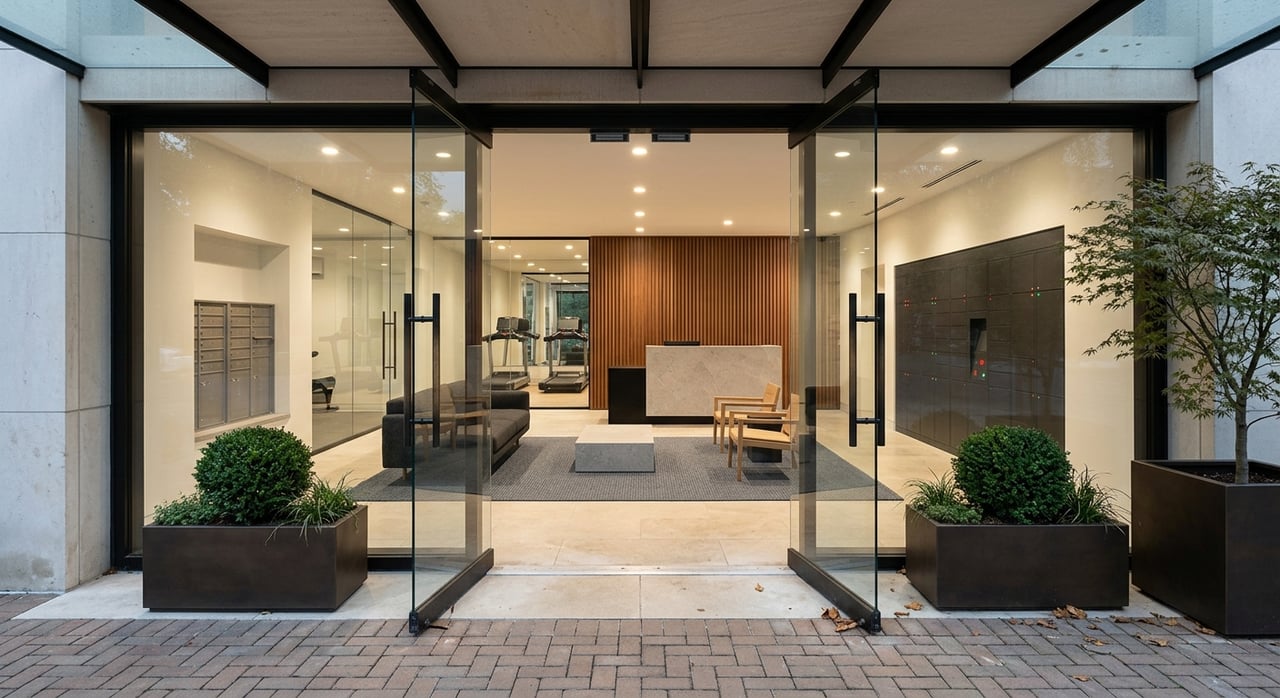
If you are comparing condos in North Bethesda, the amenities list can feel like a shortcut. A gym, pool, front desk, garage parking, and roof deck all sound appealing, but not every feature adds value in the same way. The real question is how those amenities affect resale appeal, monthly costs, and buyer demand in this specific market. Let’s dive in.
Why amenities matter in North Bethesda
North Bethesda is shaped by transit, mixed-use growth, and walkability. Montgomery Planning places the area just outside the Capital Beltway along the MD 355 and I-270 corridor, with Red Line access at both Grosvenor-Strathmore and North Bethesda. The White Flint 2 Sector Plan also describes the area as a place for transit-oriented mixed-use residential development, public use space, and walkability.
That setting changes how buyers look at condo buildings. In North Bethesda, amenities are not just extras on a brochure. They are part of the larger value story because many buyers are weighing convenience, access, and daily lifestyle as much as square footage.
WMATA updates also show continued station-area redevelopment around North Bethesda Station, including residential, retail, life-science, and green-space components. The station has daily parking and bike facilities, which reinforces the area’s car-plus-transit mix. That means a building’s amenity package should be judged in context, not in isolation.
Which condo amenities tend to matter most
Parking value depends on the buyer
Parking can be a meaningful value driver, but it is highly market-specific. Research cited in the report found that parking added measurable value in one sample, while in another sample it was not statistically significant. The same research also noted that parking tends to matter less when nearby parking is cheap or readily available.
In North Bethesda, that means a deeded or assigned space is often most valuable to buyers who expect to keep a car. For a Metro-first or car-light household, that same space may matter less than walkability or building access. If you are buying or selling, the key is to match the parking story to the likely buyer profile.
Fitness centers, pools, and clubrooms work best when used well
Shared lifestyle amenities can support resale value, but buyers usually respond best to features they can actually see themselves using. Research in the report suggests that social-use shared amenities can be reflected in resale pricing, especially when they are active, useful, and part of a well-run building.
That is an important distinction. A fitness room that is clean and current may help more than an oversized list of underused features. In practical terms, buyers tend to look beyond the label and ask whether the amenity feels maintained, relevant, and worth the monthly cost.
Outdoor space can carry real weight
Usable outdoor areas can be especially appealing in a denser condo setting. The research report cites a study showing that shared green space and unbuilt area per unit increased selling prices, with residents placing strong value on vegetation and on-site open space.
For North Bethesda condos, that supports the appeal of rooftop decks, landscaped courtyards, and outdoor gathering spaces. If you want outdoor access without taking on the maintenance of a detached home, these features can improve both enjoyment and resale appeal.
Walkability and in-building retail fit the market
North Bethesda’s planning framework emphasizes walkability, mixed-use growth, and transit-oriented development. Research referenced in the report also found positive walkability premiums in condominium markets, with transit accessibility often reflected in prices.
That makes ground-floor retail, nearby services, and easy station access more than convenience perks. In this market, they are part of what many buyers are choosing when they buy a condo. A building that connects well to everyday errands, dining, and transit may have an advantage even if its internal amenities are modest.
Concierge and staffed services come with tradeoffs
Front-desk staffing and concierge-style services can support convenience and perceived security, but they are also part of a building’s common expense structure. Maryland law requires condo assessments to fund current common expenses and reserves, and HOA fees are used to maintain common areas and shared elements.
For buyers, the takeaway is simple. Staffed services may enhance daily living, but they also raise the cost base that owners share. The question is not whether the service sounds impressive, but whether it fits your budget and priorities.
Why management quality may matter more than the amenity list
A long amenity list does not always translate into stronger value. The research report points to evidence that stronger condominium management was associated with a price premium, which suggests that buyers reward buildings that appear sustainable and well governed.
In North Bethesda, that matters because amenities age. Pools need repairs, fitness rooms need updates, elevators need maintenance, and common spaces need ongoing care. A building with fewer features but strong management and sound reserves may be more attractive than a building with more visible perks and weaker financial planning.
How amenities affect condo fees
Amenities do not come free, even after closing. Condo and HOA fees are usually separate from your mortgage payment, and the Consumer Financial Protection Bureau says they should be included in your total monthly housing budget.
The report notes that these fees can range from a few hundred dollars a month to more than $1,000. Fannie Mae also says fee size varies based on location, age, condition, property value, and amenities. In other words, the nicer the package, the more important it is to understand what you are paying for.
Maryland law requires annual budgets to cover income, administration, maintenance, utilities, general expenses, reserves, and capital items. That helps explain why amenity-heavy buildings often carry higher dues. More features usually mean more cleaning, staffing, repairs, utilities, insurance, and reserve funding over time.
What buyers should review before making an offer
In Maryland, the condo resale certificate is one of the most useful tools for evaluating whether amenities are helping or hurting value. The resale disclosure must include the current operating budget, the current reserve study report or a summary, and the status and amount of any reserve or replacement fund.
That means you can look beyond the lobby or rooftop view and assess the building’s financial footing. If a building has attractive amenities but weak reserves, a buyer may worry about future special assessments or rising dues. A stable budget and a clear reserve plan can make the amenity package feel far more credible.
Here are a few smart questions to ask when reviewing a North Bethesda condo building:
- Which amenities do you expect to use regularly?
- What portion of the monthly fee supports staffing, maintenance, and reserves?
- Has the building updated its reserve study as required?
- Are there any pending major capital projects?
- Does the amenity package match your day-to-day lifestyle, or just look appealing during a tour?
What sellers should highlight when marketing a condo
If you are selling a condo in North Bethesda, the goal is not to mention every feature equally. The better strategy is to emphasize the amenities that fit the likely buyer pool and that connect to everyday living.
For many buyers, the strongest value points may include:
- Deeded or assigned parking
- Usable outdoor space
- Walkability to retail and services
- Red Line access and station-area convenience
- Clear signs of strong management and reserve planning
That last point is easy to overlook, but it matters. Buyers are often willing to pay more confidence for a building that appears organized, maintained, and financially prepared. A calm, fact-based presentation usually works better than generic luxury language.
A practical way to weigh condo amenities
When you compare buildings, it helps to sort amenities into three buckets:
- Must-use amenities: features you will rely on often, such as parking, elevator access, or a fitness room
- Nice-to-have amenities: features you would enjoy occasionally, such as a pool or clubroom
- Cost-sensitive amenities: features that may be attractive but significantly increase monthly dues
This framework can help you make a better decision whether you are buying or selling. In North Bethesda, the best amenity package is usually the one that aligns with the location, the buyer profile, and the building’s long-term financial health.
If you want help evaluating a specific condo building or preparing a condo for sale in North Bethesda, Dewey Reeves offers the kind of organized, steady guidance that helps you focus on value, not just appearances.
FAQs
How do amenities affect North Bethesda condo values?
- Amenities can influence condo values by improving daily convenience, resale appeal, and buyer demand, but their impact depends on the building’s location, management quality, and monthly cost structure.
Does parking increase condo value in North Bethesda?
- Parking can add value, especially for buyers who keep one or more cars, but its importance may be lower for car-light households who prioritize Metro access and walkability.
Are condo amenities worth higher monthly fees in Maryland?
- Condo amenities may be worth higher fees if you will use them regularly and the building shows solid budgeting, maintenance, and reserve planning.
What condo documents should buyers review in Maryland?
- Maryland buyers should review the resale certificate, including the current operating budget, reserve study report or summary, and the status and amount of any reserve or replacement fund.
What amenities should sellers emphasize in North Bethesda condo listings?
- Sellers should focus on amenities that match buyer demand in North Bethesda, such as parking, outdoor space, walkability, transit access, and evidence of strong building management.