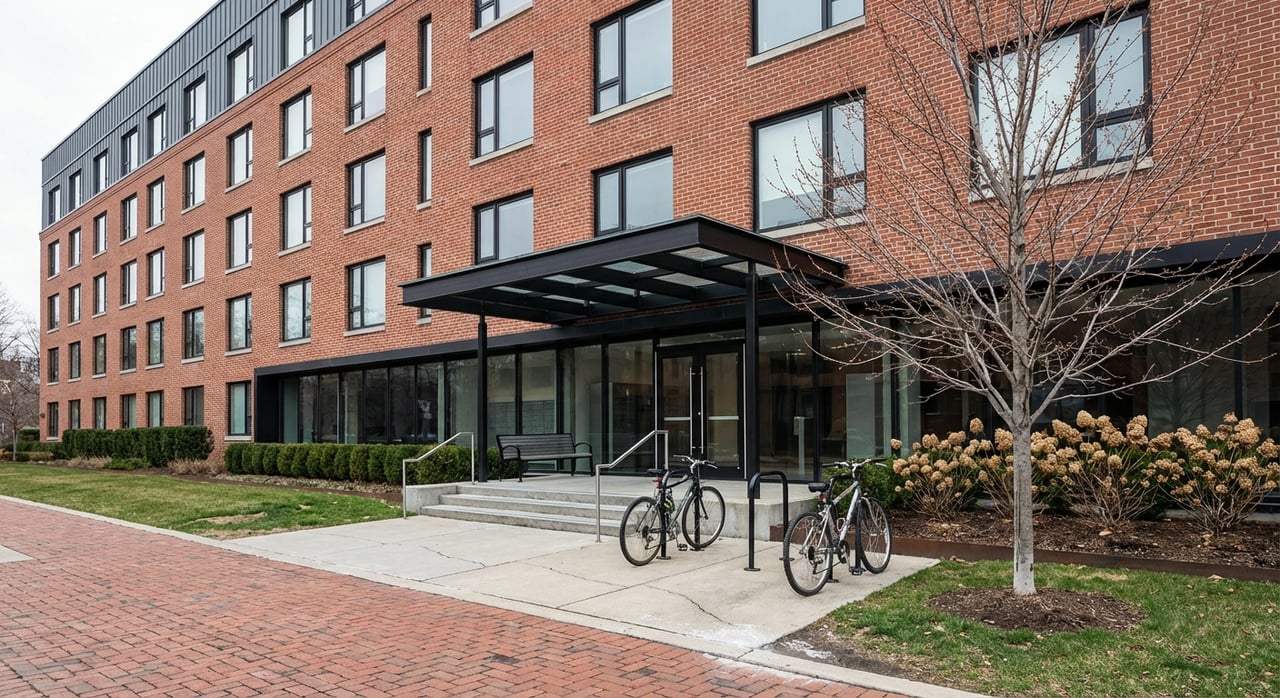
Are you weighing the tradeoff between a high-rise with rooftop views and a quieter condo with lower monthly fees? In North Bethesda, you can pick from several building styles near shopping, dining, and the Red Line — each with a different mix of amenities, costs, and condo rules. This guide helps you compare popular buildings, understand what fees cover, and review the Maryland disclosures that protect you as a buyer. Let’s dive in.
Why North Bethesda works for condo living
North Bethesda centers on the Pike & Rose district with walkable restaurants, retail, and entertainment. The area grew around a Red Line stop that was officially renamed the North Bethesda station, a meaningful advantage if you want quick Metro access for work or weekends. You can explore the neighborhood’s offerings on the Pike & Rose site, which shows why buyers often prioritize rooftop decks, concierge services, and secure parking. The result is a lifestyle that blends convenience with choice on budget and amenities.
For transit details, see the WMATA release on the station renaming. That location benefit has shaped the condo options below.
Building types in North Bethesda
You will see three common condo types. Think of them as a spectrum from amenity-rich high-rises near Pike & Rose to value-focused garden or townhouse-style condos a bit farther out.
High-rise, mixed-use towers
High-rises near Pike & Rose tend to offer a concierge, modern finishes, garage parking, and social spaces like a rooftop or clubroom. Fees are usually higher because they support elevators, staff, and shared spaces. A good local example is 930 Rose, which sits above the Canopy by Hilton and reflects hotel-adjacent services and a curated amenity set. You can get a feel for the community context from The Residences at Pike & Rose.
Mid-rise amenity buildings
A few blocks off Old Georgetown Road and Rockville Pike, you will find mid-rise buildings with a fitness room, outdoor pool, clubhouse, and garage parking. Monthly fees vary based on service level and whether utilities are included. Communities in this category often balance walkability with a more moderate fee structure.
Garden and townhouse-style condos
Garden and townhouse-style condos from the 1980s and 1990s are lower-density and sometimes give you more square footage per dollar. They usually have fewer shared amenities, which helps keep monthly fees lower. If you value space and a calmer setting over on-site luxury features, this style can be a smart fit.
What condo fees usually cover
Condo or HOA fees can look very different across buildings. Instead of comparing the dollar amount alone, focus on what the fee includes. Typical items include:
- Building and common-area insurance
- Exterior, roof, and structural maintenance
- Elevators and common utilities
- Snow removal and trash service
- On-site staff and management
- Pool, fitness room, clubroom, and grounds
- Garage and parking maintenance
- Contributions to reserves for future repairs
Listings may outline part of this, but the authoritative source is the condo resale certificate and budget provided under the Maryland Condominium Act. See the statute’s resale section for what must be included and your timelines as a buyer in Section 11-135.
Amenities and daily-life details that matter
Amenities should fit your actual routine. A rooftop lounge, pet-relief area, or staffed lobby can be a real advantage if you use them, but you pay for them in the monthly fee. Parking and storage vary by building and are sometimes limited common elements tied to your unit. If a gym, pool, or clubroom is important, compare the equipment, hours, and guest policies across buildings.
Pet rules also differ by association. Many condos allow pets with size or number limits set in the rules. Note that federal Fair Housing guidance on assistance animals may require a reasonable accommodation even when a building has pet restrictions. For background, review HUD’s assistance animal guidance.
Your due diligence checklist
Request these items early and include a contingency for full resale materials in your offer. The Maryland Condominium Act gives you specific rights, including a 7-day window to cancel after receiving the resale package in Section 11-135.
- Declaration, bylaws, and rules. Confirm use restrictions, alteration rules, and how parking or storage is assigned. Look for pet policies and any short-term rental limits.
- Current operating budget and the most recent reserve study summary. In Montgomery County, newer condos must have a periodic reserve study. If the study is missing or older than five years, treat that as a red flag. See the reserve-study rule in Section 11-109.4.
- Financial statements and arrears report. High delinquency in assessments or frequent special assessments can signal future fee pressure.
- Board meeting minutes for the past 12 to 24 months. Scan for large upcoming projects, litigation, or repeated maintenance concerns. Maryland law gives owners inspection rights in Section 11-116.
- Insurance summary for the master policy and a written notice of owner responsibility for deductibles. This affects your out-of-pocket risk if a loss starts in your unit. See Section 11-114.
- Management contract and key vendor agreements. Long or unusually vendor-friendly contracts can lock in costs.
- Litigation letter from association counsel. Major suits, especially about structural or envelope issues, can affect both resale and financing.
- Resale certificate and statutory disclosures. The seller or association must provide the package by the timelines in Section 11-135, and you have a 7-day right of rescission after receipt.
Red flags to spot early
- Reserves that are far below the level recommended in the latest reserve study.
- Unfunded capital projects or notes in the minutes about large repairs without a plan to pay for them.
- High owner delinquency in dues or a history of frequent special assessments.
- Ongoing or threatened litigation, especially around building structure, façade, or major systems.
- New conversions where a developer still controls the board and key warranties are unresolved.
Financing and resale checks
Even if you love a building, some project-level factors can affect your loan and future resale. Keep these in your plan:
- FHA and VA eligibility. Many lenders require the condo project to be approved for FHA or VA loans. If not approved, a single-unit approval might be possible with extra time and paperwork. Confirm approval status early with your lender. For a primer on how VA condo approvals work, see this overview of VA-approved condo financing basics.
- Owner occupancy and rental caps. High rental percentages can limit loan options and may impact valuations. Your resale certificate and rules will outline any caps and the owner-to-renter mix.
- Insurance and deductibles. As noted, confirm the master policy coverage and who pays deductibles under association rules and Maryland law.
How to write a strong offer
Your offer should reflect both your lifestyle priorities and a clear documentation plan.
- Include a resale-certificate contingency. Maryland law gives you 7 days after receiving the package to cancel. Ask for a 15 to 30 day document-delivery and review window to line up with lender timelines and your schedule.
- Ask your lender to verify FHA/VA condo status early if you plan to use one of those loans. Build in time or a backup financing plan if the building is not already approved.
- Provide a specific document request list with your offer. Ask for the budget, reserve study summary, financial statements, board minutes, insurance certificate, litigation letter, management contract, and governing documents. Reference the statutory requirement for resale disclosures so everyone is aligned on timing.
Quick comparison: which style fits you
High-rise near Pike & Rose
- Best if you want walkability, services, and social spaces.
- Expect higher monthly fees for staff, elevators, and amenities.
- Often delivers concierge, rooftop decks, and secure garage parking.
Mid-rise amenity buildings
- Balanced option with fitness rooms, pools, and clubrooms.
- Fees vary by service level and what utilities are included.
- Usually a short walk or quick ride to Pike & Rose and the Metro.
Garden or townhouse-style condos
- Favor lower fees and more space per dollar.
- Fewer shared amenities and lighter on-site services.
- Often set on quieter streets with a more residential feel.
Local living snapshot: Pike & Rose perks
Pike & Rose puts restaurants, retail, and entertainment steps from many condos. That walkability shapes daily life and resale appeal for high-rise and mid-rise buildings close by. It also explains why rooftop spaces, clubrooms, and pet amenities are common requests from North Bethesda buyers.
For an overview of the district and current tenants, browse the Pike & Rose directory. It helps you map daily habits, from where you might grab coffee to how far you will walk to a grocery run.
County resources for condo owners
If you need help with a condo dispute or want to learn more about association governance, Montgomery County’s Commission on Common Ownership Communities provides training and dispute resolution. You can find programs and contacts on the county’s CCOC resource page.
The bottom line
In North Bethesda, the right condo comes down to how you balance transit access, on-site amenities, and monthly costs. High-rises next to Pike & Rose deliver walkability and services with higher fees. Mid-rise buildings strike a middle ground, and garden or townhouse-style condos offer value and space with fewer shared features. Use the resale package, budget, reserve study, and minutes to confirm what you are actually paying for and the association’s long-term health.
If you want a methodical plan to compare buildings and write a strong offer, start the conversation with Dewey Reeves. You will get organized guidance, steady communication, and clear next steps from first tour to closing.
FAQs
What should a first-time North Bethesda condo buyer review before making an offer?
- Ask for the governing documents, current budget, reserve study summary, financials, board minutes, insurance details, and the statutory resale certificate. Maryland law gives you 7 days to cancel after receiving the resale materials.
How do North Bethesda condo fees compare across building types?
- Amenity-rich high-rises near Pike & Rose typically have higher fees to support staff, elevators, and shared spaces, while garden and townhouse-style condos usually have lower fees with fewer amenities. Mid-rise buildings often fall in the middle.
How close are many condos to the North Bethesda Metro station?
- Several high-rise and mid-rise options cluster around the North Bethesda station and the Pike & Rose district, giving you walkable or short-ride access to the Red Line.
What are common pet rules in North Bethesda condos?
- Rules vary by building, including limits on size or number of pets. If you have a qualifying disability, you may request a reasonable accommodation for an assistance animal under federal Fair Housing guidance.
How do I check if a condo is approved for FHA or VA financing?
- Ask your lender to verify project approval status early. If a building is not approved, your lender can advise whether a single-unit approval is possible and how that may affect timing.