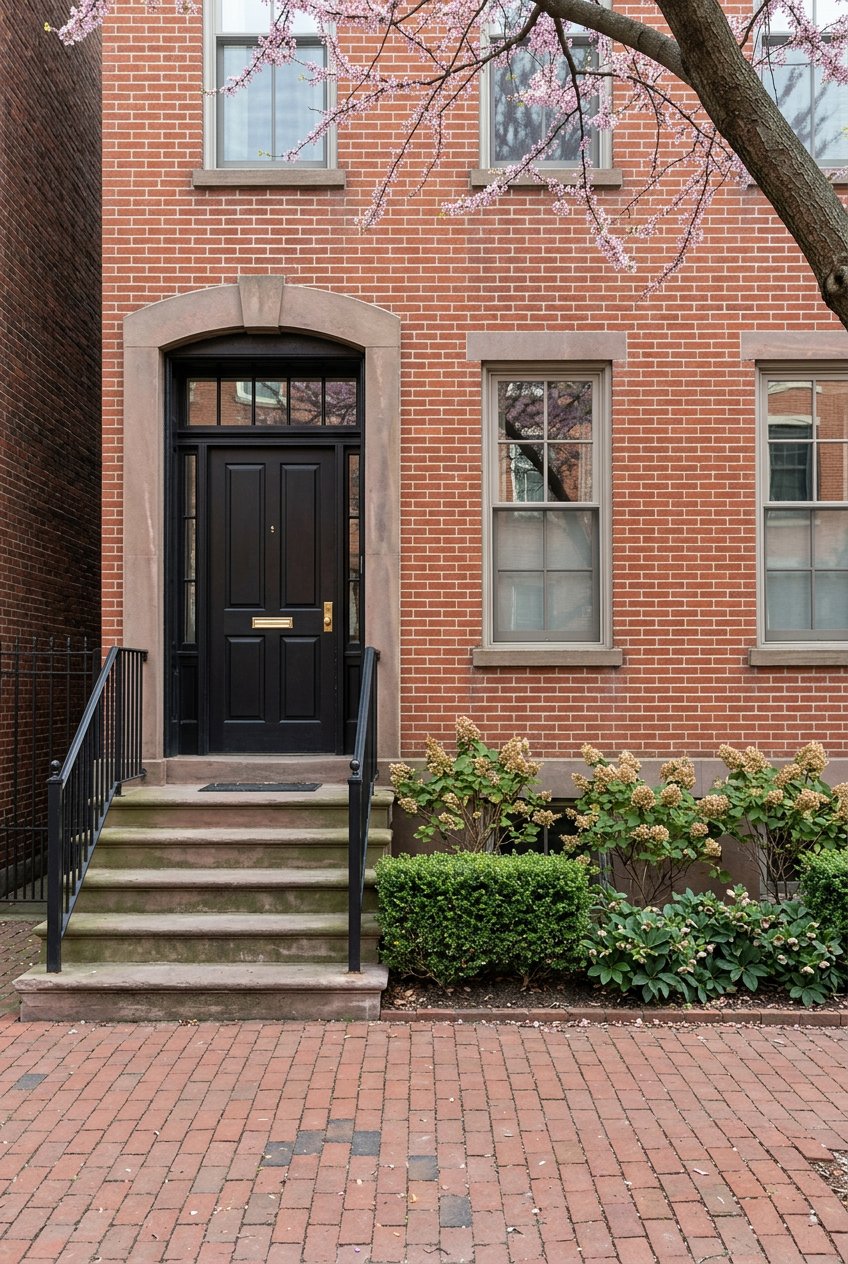
Thinking about selling your D.C. rowhouse and not sure where to start, especially if it sits in a historic district? You’re not alone. Between permits, inspections, and pricing, the details can feel overwhelming. This guide simplifies the process so you can protect your timeline, avoid costly surprises, and present your home with confidence. Let’s dive in.
Confirm historic status first
Before you plan any work, confirm whether your home is a designated landmark or a contributing property in a D.C. historic district. Local designation triggers review for most exterior work visible from public space. The Historic Preservation Office (HPO) handles staff-level reviews, and the Historic Preservation Review Board (HPRB) reviews larger projects. Learn what each review covers in the District’s overview of HPRB vs. HPO review.
If your property is designated, expect to retain character-defining features and prioritize repair over replacement. HPO’s design guidelines explain what reviewers look for in windows, masonry, roofs, porches, and additions.
Build a pre-list due diligence file
Pre-list inspections that pay off
Older rowhouses reward early discovery. A seller-paid inspection helps you decide what to fix and what to disclose, and it gives buyers confidence in your home.
Consider this minimum set:
- Full home inspection of structure, roof, foundation, and systems.
- Chimney and flue inspection and certification.
- Roof certification or drone inspection if roof age is uncertain.
- Sewer line camera scope to evaluate the lateral.
- Wood-destroying insect inspection.
- Targeted hazard checks, especially for pre-1978 homes. Provide the required federal lead pamphlet and disclosure forms using the EPA’s lead disclosure guidance.
Industry resources note that seller-side inspections reduce surprises and can strengthen negotiations by putting documentation in your hands early. See the inspection community’s summary of seller benefits in InterNACHI’s guide.
Pull permit and records history
Buyers, appraisers, and lenders pay close attention to permit status. Use the Department of Buildings (DOB) Homeowner’s Center to review your permit history and ask what future work will require. Organize records for buyers: completed permits and finals, contractor receipts, inspection reports, and your completed D.C. Seller’s Disclosure. You can review the disclosure rule at the D.C. Municipal Regulations section for Seller’s Disclosure.
Decide repairs vs. selling as-is
Align your plan with timing, budget, and ROI. For visible issues that may spook buyers or appraisers, get contractor bids now so you can choose between fixing or pricing around the work. If you plan any visible exterior or structural repairs before listing, route your scope through HPO and DOB early to avoid delays.
Be careful with unpermitted alterations. Appraisers and lenders often discount unpermitted space, and some lenders require retroactive permitting or removal. That can reduce the buyer pool or delay closings. See an overview of how appraisers treat unpermitted areas in this industry article.
If you plan exterior work, know the review path
What needs review
In designated areas, most exterior work visible from public space requires review. Minor, in-kind repairs often qualify for expedited staff clearance. Substantial additions, rooftop changes, and incompatible designs generally go to HPRB. The District’s page on HPRB vs. HPO review explains triggers and process.
Staff vs. board timelines
- HPO staff review can be quick for straightforward, in-kind repairs. Many are cleared promptly if your submittal is complete. For expedited submittals, plan up to five business days.
- HPRB hearings require more time. Plan about 30 to 60 days for scheduling and decision after you submit complete materials.
For how to prepare drawings, photos, and samples for staff review, see HPO’s page on expedited review.
Avoid enforcement surprises
Do not start visible exterior work without clearance. HPO and DOB can issue stop-work orders, fines, and correction requirements for out-of-scope or unpermitted work. Resolving after-the-fact approvals adds time and cost. Review the District’s page on violations and fines so you understand the risks.
Handle unpermitted work early
Unpermitted structural changes or additions can derail financing and valuation. Common outcomes include excluding space from the appraised Gross Living Area or requiring retroactive permits. Buyers and title companies may also raise concerns.
Your action plan:
- Search permit history and gather finals through the DOB Homeowner’s Center.
- If you find unpermitted work, consult a qualified contractor or engineer on whether legalization is feasible, and get cost and time estimates.
- If legalizing now is not practical, price and market the home to reflect the risk and financing limits, and disclose known issues in your D.C. Seller’s Disclosure. Refer to the D.C. rule for Seller’s Disclosure.
- For context on appraisal treatment of unpermitted areas, see the industry overview.
Price a historic D.C. rowhouse the right way
Historic rowhouses attract two overlapping buyer groups. Some pay a premium for preserved historic details and streetscape. Others value expanded, renovated living areas and updated systems. These buyers price differently, and appraisers do too.
Build a comp set that fits your home:
- Prioritize recent closed sales on the same block or immediate area.
- Align for condition, permitted status, and finished area. Separate above-grade square footage from finished basement space.
- Adjust for legal bedrooms, kitchen and bath condition, roof or structural notes, and lot depth.
- If you plan only light updates before listing, budget with realistic midrange scopes rather than full gut assumptions.
Stage and market to showcase character
Rowhouses often have narrow rooms. Staging and media that emphasize light, storage, and circulation can lift buyer interest and shorten time on market. National research indicates that staging frequently reduces days on market and can increase the dollar value offered. See highlights from the NAR staging report.
Practical staging moves:
- Maximize vertical sightlines and natural light with slimmer furniture, mirrors, and simple window treatments.
- Open the view from front door to back by removing excess pieces and raising focal points.
- Use built-ins, floating storage, and slender consoles to keep floors clear.
- Commission professional photos and a floor plan. Shoot from corners at eye height to show depth, and include at least one twilight exterior to highlight the stoop and façade details.
Timeline at a glance
- HPO staff clearance. Straightforward in-kind repairs can clear quickly. Expedited staff reviews often resolve within a few business days if your packet is complete. See the expedited review steps.
- HPRB timeline. For board-level cases, anticipate 30 to 60 days for hearing and decision after a complete filing.
- Enforcement delays. Stop-work orders and after-the-fact permits add weeks, along with fines and correction requirements. Review violations and fines before you start.
Your step-by-step checklist
- Confirm whether your home is a landmark or contributing in a historic district, then note what types of work need review. Start with the District’s HPRB vs. HPO overview.
- Order a seller-paid inspection package. Include full home, chimney, sewer, roof, and WDI inspections, plus hazard checks as needed. For pre-1978 homes, use the EPA’s lead disclosure guidance.
- Pull permit history and organize records through DOB’s Homeowner’s Center. Collect permits, finals, receipts, and inspection reports.
- If you plan visible exterior work, contact HPO early and prepare materials for expedited review. Follow HPO design guidelines for compatible solutions.
- Complete your D.C. Seller’s Disclosure and include required federal lead forms for pre-1978 properties. See the D.C. rule for Seller’s Disclosure.
- Stage key rooms and commission professional media. Use your inspection and permit packet to reassure buyers and support appraisal.
Avoid these common pitfalls
- Starting exterior-visible work without HPO contact or permits, which can lead to stop-work orders.
- Overlooking unpermitted structural work until appraisal or underwriting.
- Pricing to fully renovated comps that do not match your permitted status or finished area.
- Skipping staging or professional photos in narrow plans.
- Missing federal lead disclosures for pre-1978 homes.
Ready to list with confidence?
Selling a historic D.C. rowhouse is about process, documentation, and presentation. With the right plan, you can showcase your home’s character, satisfy reviewers and lenders, and keep momentum through closing. If you want a clear, step-by-step path that covers permits, pricing, staging, and negotiation, start a conversation with Dewey Reeves.
FAQs
What makes a D.C. rowhouse “historic,” and why does it matter?
- Local designation or being a contributing property in a historic district triggers review for most exterior work visible from public space. See the District’s HPRB vs. HPO overview for what requires review.
How long do HPO or HPRB reviews usually take before listing?
- Straightforward in-kind repairs can clear quickly at staff level, while board cases often take about 30 to 60 days from complete filing to decision. See HPO’s expedited review steps.
Why do buyers and lenders care about unpermitted work in D.C. rowhouses?
- Appraisers may exclude unpermitted space from Gross Living Area or discount its value, and lenders can require retroactive permits or removal, which can slow or block financing. See the industry overview.
What inspections should I order before listing an older rowhouse in D.C.?
- A full home inspection plus chimney, sewer, roof, and WDI checks is a smart baseline, with targeted hazard testing for pre-1978 homes. Follow the EPA’s lead disclosure guidance.
Do I need to provide specific seller disclosures when I list in D.C.?
- Yes. Complete the D.C. Seller’s Disclosure and, for pre-1978 homes, include the federal lead pamphlet and forms. Review the D.C. rule for Seller’s Disclosure.