Ask why two Bethesda listings, both priced around $1.3 million, can behave like they're in different cities and most explanations stop at "it depends on the property." That's true, but vague enough to be useless. The more precise answer sits in a single Bright MLS snapshot from August 2026, and it changes how a buyer or seller should read every headline number this fall.
Bethesda's median sale price has hovered in the low-to-mid $1.3 million range for months, with the three months ending June 2026 landing at $1.3 million and roughly 22 days on market according to Redfin's tracking of Bright MLS data. Fox Homes' closed-sale figures for the 30 days ending in early August 2026 put the median at $1,275,000, with the rolling 12-month figure at $1,277,500. Those numbers agree with each other closely enough to trust. What they don't tell you is that "Bethesda" isn't one market wearing a single price tag. It's at least two, and they're moving at almost opposite speeds.
The Same ZIP Code, Two Very Different Waiting Rooms
Months of supply is the cleanest way to measure who holds the leverage in a transaction. It answers a simple question: if no new listings came online, how long would it take to sell everything currently for sale at the current pace of closings? Under roughly four months, sellers usually have the edge. Above six, buyers do. Between the two, it's a negotiation.
A property-type breakdown of Bethesda's active and coming-soon inventory, captured on August 11, 2026, shows the citywide average of 2.9 months of supply is doing a lot of averaging.
| Cohort | Months of Supply (Aug 2026) | What It Signals |
|---|---|---|
| Full market | 2.9 | Leans toward sellers |
| Townhouses | 2.2 | Sharp seller's market |
| Condominiums | 5.0 | Approaching balance, favors buyers |
A townhouse buyer in Bethesda this fall is competing in a market with barely two months of inventory on hand, tighter than the citywide figure suggests. A condo buyer is shopping in a market more than twice as loose. Neither buyer is wrong to trust the data. They're just reading different data, filed under the same city name.
Why Bethesda Ran Out of Townhomes First
The gap isn't random and it isn't seasonal. It's built into what Bethesda is made of. Maryland Department of Planning figures on the area's housing stock show single-family detached homes make up 52.9% of units and buildings with 20 or more units, largely condominiums, make up 38.0%. Single-family attached homes, the townhouse category, account for just 3.9%.
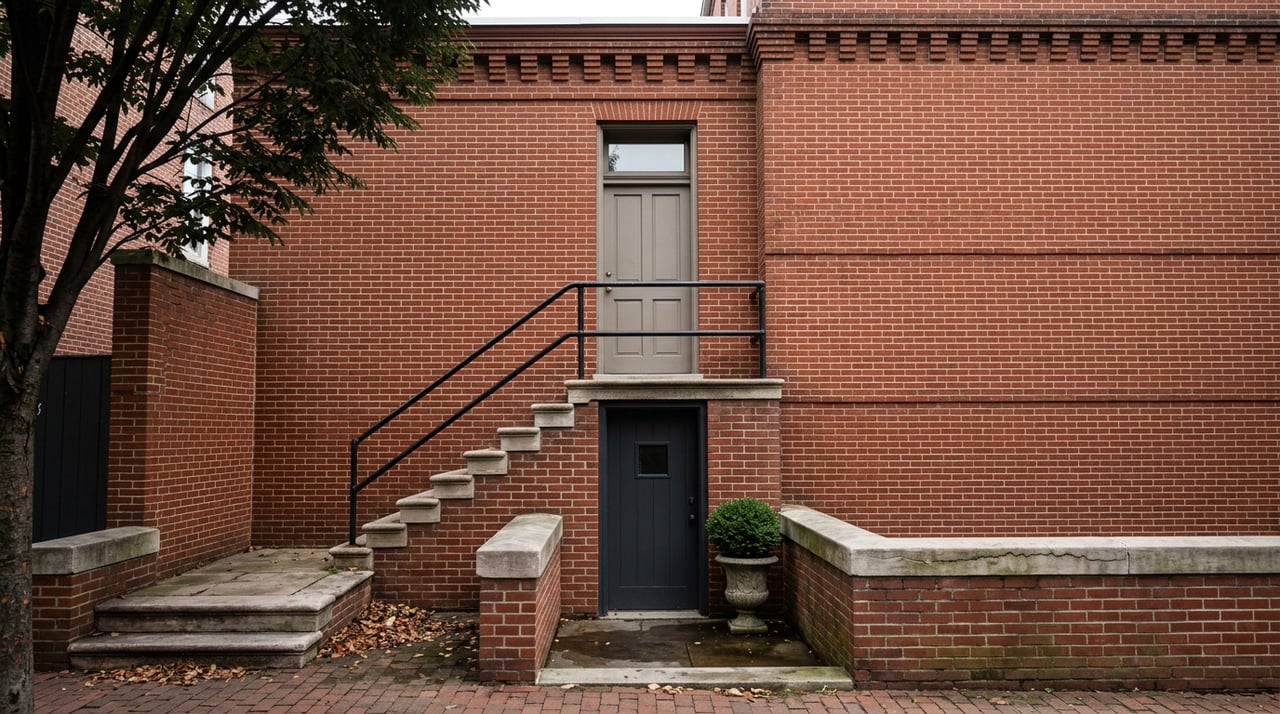
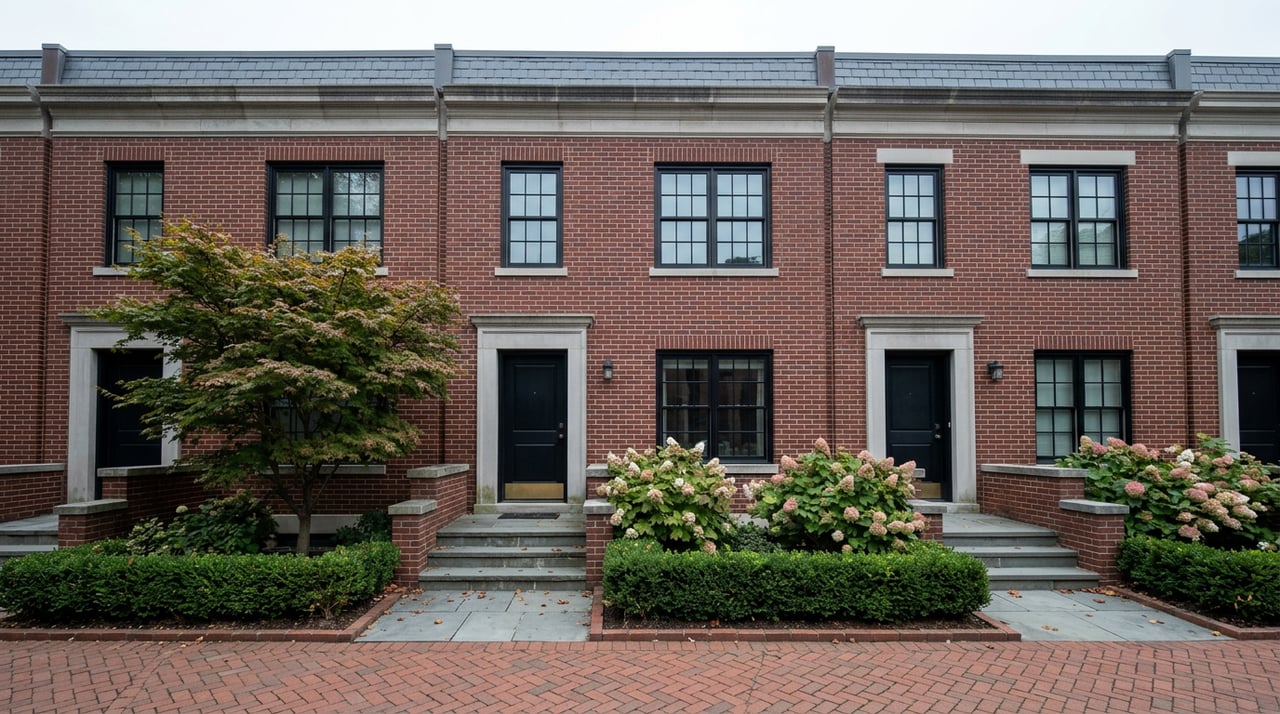
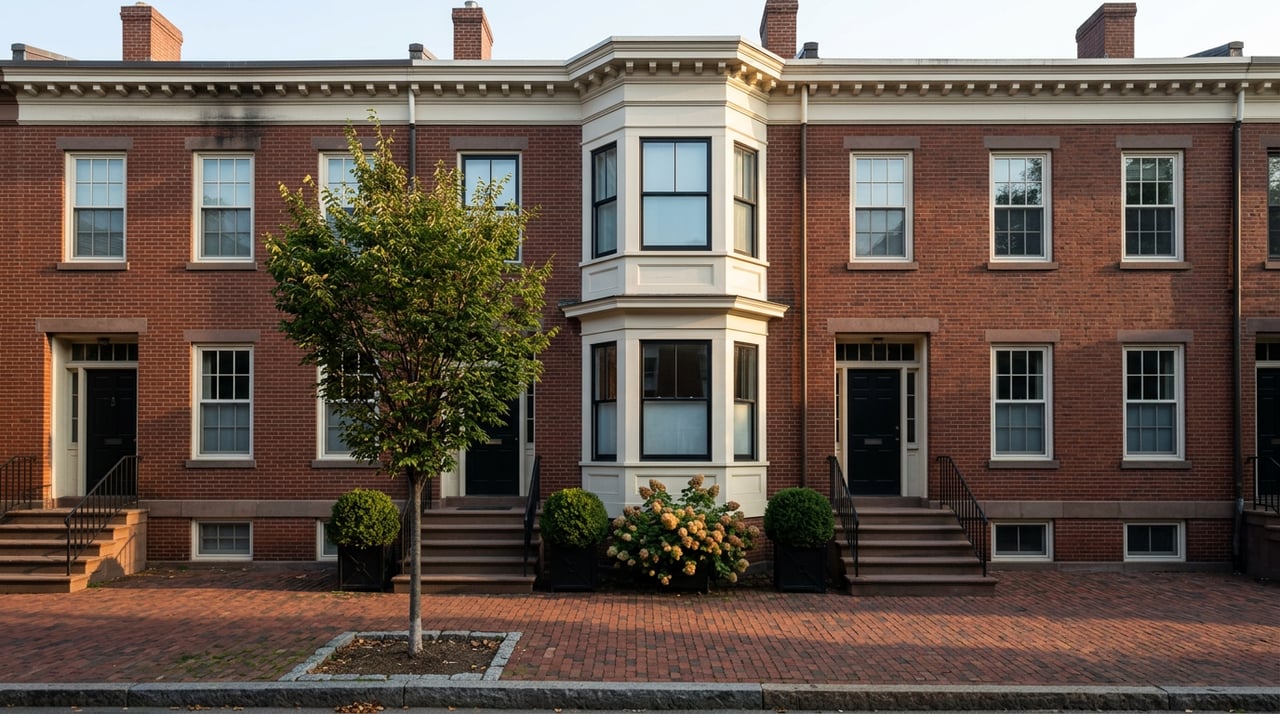
That's the whole story in one number. Bethesda was built almost entirely as a detached-home suburb with a later wave of high-rise condo construction layered on top. The townhouse, the product type that splits the difference in price and maintenance between the two, was never built here in volume. When a buyer wants that middle option today, there's structurally very little of it to compete for, and the 2.2-month supply figure is the visible result of a decades-old land-use pattern, not a temporary dip.
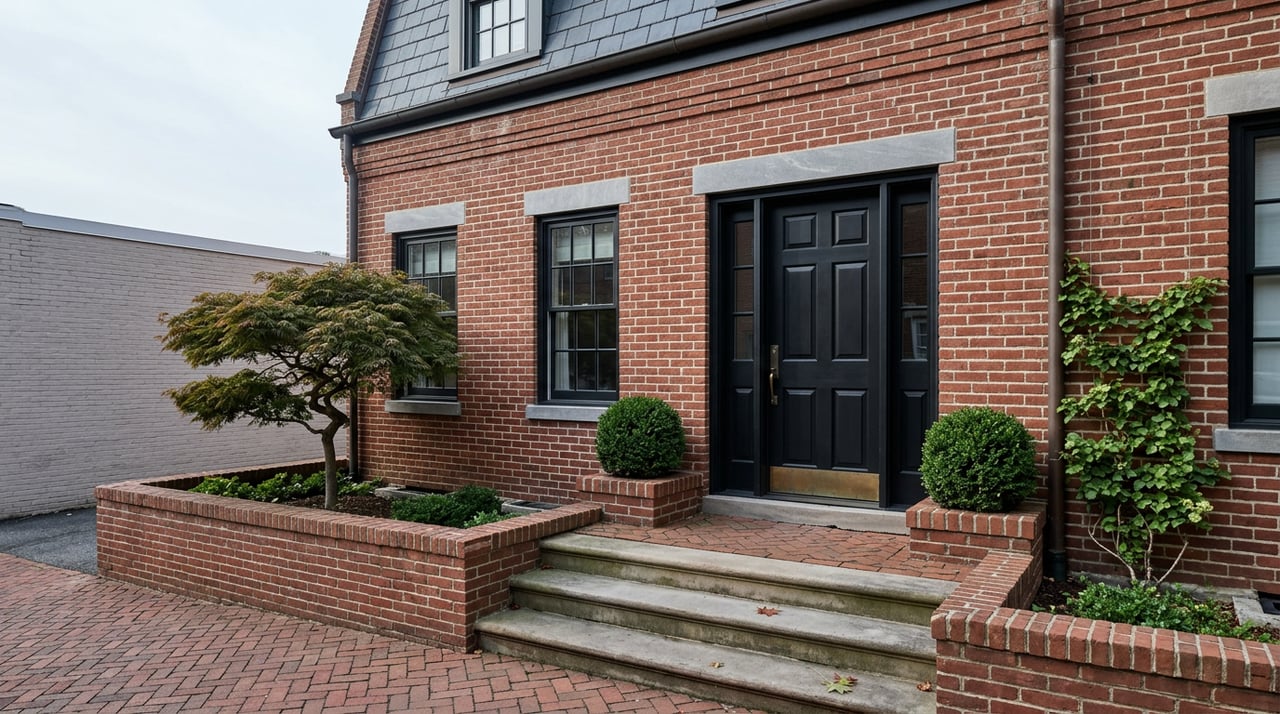
The 2017 Bethesda Downtown Sector Plan has pushed builders to close that gap with new luxury townhome projects concentrated in the Bethesda and North Bethesda corridor, including elevator townhome communities like Quarry Springs from Wormald Homes and new construction at Strathmore View. That supply is real, but it's arriving at a premium. Townhomes in that new-construction tier start well north of $1.6 million, which does nothing for a buyer who wants attached-home convenience without a luxury price tag. The scarcity at the entry and move-up level isn't being solved. It's being priced further out of reach while the sliver of existing townhouse inventory keeps trading fast.
What's Weighing on the Condo Side of the Ledger
The condo side of the market carries a different kind of friction, and it's newer. Roughly 44.8% of Bethesda's housing units were built between 1950 and 1979, according to Maryland Planning data, while only 2.7% have been built since 2020. Much of that older stock is concentrated in the condo and co-op towers that make up the 38% "20-plus unit building" category, places like The Promenade on Pooks Hill Road, an 18-story building completed in 1973 with 1,071 units, or the Grosvenor Park towers in North Bethesda, both completed in 1964.
Buildings that age are now working through a real compliance shift. Maryland's 2025 reserve funding legislation, House Bill 292, requires condominium associations, homeowners associations, and cooperative housing corporations to adopt a formal funding plan and deposit reserve contributions in line with what a professional reserve study recommends, effective October 1, 2025. Boards can no longer quietly underfund reserves and hope a roof or elevator holds out. They either fund at the recommended level, document a hardship exception, or risk exposure if a major system fails on their watch.
For a 1960s or 1970s tower, that usually means one of two paths: a phased increase in monthly fees to catch reserves up gradually, or a special assessment if the shortfall is severe enough that gradual funding isn't realistic. Neither is automatic. The Promenade's own materials note the building has never levied a special assessment, crediting years of disciplined reserve management, and that's a useful reminder that age alone doesn't predict trouble. But it does mean every older Bethesda condo now has a documented answer to the question of whether its reserves are adequate, and a buyer who doesn't ask for that documentation is skipping the one disclosure that tells you what your fee will look like in three years, not just what it costs on closing day.
What This Means If You're Shopping (or Listing) This Fall
The practical shift is simple: stop comparing your target property to the Bethesda median and start comparing it to its own cohort.
If you're buying a townhouse, expect the 2.2-month environment to feel like it did during the tightest years of the last decade. Come in with financing fully lined up, a clear ceiling price, and the discipline to move fast on the right listing, because the pool of comparable attached homes in Bethesda is thin enough that hesitation costs you the next one, not just this one.
If you're buying a condo, the 5.0-month supply gives you real room to be selective, but selective should mean asking for the association's most recent reserve study and funding plan before you write an offer, not just touring more units. A well-funded building with a documented plan is a materially different purchase than one still catching up, even if the two units look identical on a listing sheet.
If you're selling an older condo, transparency works in your favor here. A funding plan that's already in place and communicated clearly to owners removes the biggest question mark a cautious buyer will have, and it can be the difference between sitting near that five-month average and moving closer to the front of the line.
If you're selling a townhouse, the leverage is real, but it's leverage on a smaller stage. Buyers who want this specific product type in Bethesda are competing hard for a shrinking supply, and pricing and presentation still matter more than the tight number might suggest, because the pool judging your home against the next one is small and well informed.
A Few Direct Questions
Does 2.2 months of supply mean every townhouse will get multiple offers? No. It describes the cohort, not any single listing. Condition, price, and location inside Bethesda still separate a home that sells in days from one that lingers even in a tight segment.
Are all older Bethesda condo buildings facing higher fees under the new reserve law? Not necessarily, and not uniformly. The law requires a documented funding plan tied to a reserve study, but buildings that have funded reserves responsibly for years may see little change. The point isn't to assume the worst about older buildings, it's to ask for the specific documentation rather than guessing.
Should the 5.0-month condo figure make me wait for prices to drop? That figure describes negotiating room, not necessarily price direction. It gives a buyer more time to compare units and ask harder questions, which is different from a forecast that prices will fall.
Reading Bethesda by cohort instead of by median takes more work than pulling one number off a report, and it's exactly the kind of work worth having someone else do for you. If you're weighing a townhouse against a condo in this market, or trying to figure out what your building's reserve position actually means for your sale, Dewey Reeves can walk through the specific numbers behind your address. Start the Conversation.