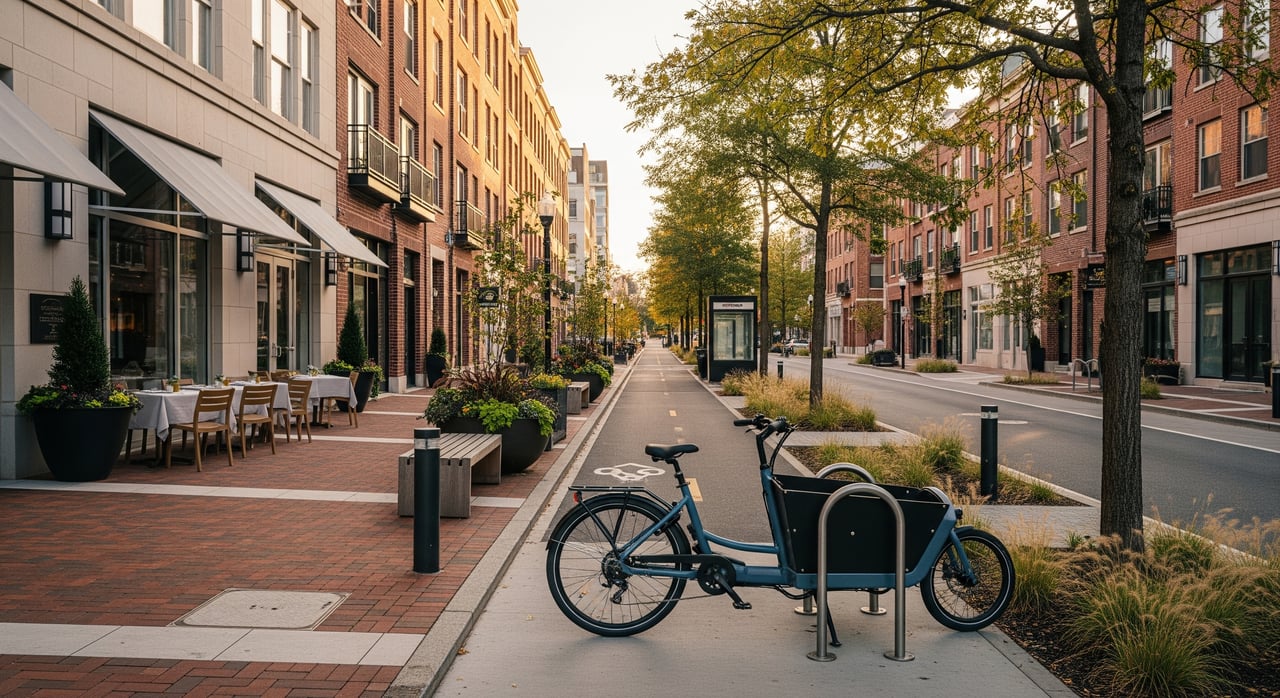
Thinking about ditching the car in Bethesda? You are not alone. Many residents choose a car-free or car-light lifestyle because the town’s transit, trails, and compact downtown make daily life surprisingly simple. In this guide, you will learn where that lifestyle works best, how to handle errands and commuting, and what tradeoffs to expect. Let’s dive in.
What makes car-free life possible
Bethesda’s transit backbone is strong. The Red Line at Bethesda Station connects you directly to Washington, D.C. and the wider Metro network, which is the anchor for regional commuting and weekend trips. You can explore schedules and service updates through WMATA, and layer in local Metrobus and Montgomery County Ride On routes for neighborhood connections.
Walkable neighborhoods cluster around the center of town. The area around Bethesda Row and Woodmont Triangle offers a mix of homes, shops, restaurants, and services that reduce the need for a car. Montgomery County’s planning work for the downtown core targets pedestrian and bike improvements in key corridors, which supports everyday walking and rolling. You can review those goals in the Bethesda Downtown Plan.
Trails and bikeshare fill in the gaps. The Capital Crescent Trail runs through Bethesda and links you to D.C. and Silver Spring. In-town, Capital Bikeshare stations make short trips easy, especially with e-bikes for hills and longer rides.
Finally, delivery and car-on-demand options are widely available in the core. Many households combine grocery delivery, meal delivery, and occasional ride-hail or carshare when a car is the practical choice.
Best Bethesda neighborhoods without a car
Downtown Bethesda: Bethesda Row and Woodmont Triangle
If you want to go fully car-free, start your search here. This is the most walkable pocket in Bethesda with the highest concentration of grocery stores, pharmacies, banks, fitness studios, clinics, and everyday services. The Metro station and bus lines are right in the middle, so commuting and regional trips are straightforward. Daily errands are usually a short walk, and the Capital Crescent Trail is steps away for fitness or bike commuting.
West and Edgemoor
These residential areas sit next to downtown. Many blocks offer a 10 to 20 minute walk to Metro, grocery options, and coffee shops. Streetscape quality varies block to block, so focus on homes closer to main corridors for better sidewalk continuity and lighting. Living here is a strong car-light option if you do most errands downtown and use transit for commuting.
North Bethesda: Pike & Rose and Grosvenor-Strathmore
While technically North Bethesda, these nodes matter if you are comparing Bethesda-area options. Pike & Rose is a mixed-use district with dining, retail, and entertainment in a walkable footprint. The Grosvenor-Strathmore area offers Metro access and arts programming at the Music Center. Walkability is high within each node, though surrounding lower-density areas become more car-oriented. For daily life without a car, aim to live inside or very near these mixed-use blocks.
Suburban residential blocks: tradeoffs
Many single-family subdivisions in the Bethesda area have limited retail, longer walks, and less frequent bus service. That usually means car-dependent shopping and after-school logistics. You can still live car-light if you rely on delivery, school buses, and occasional ride-hail or carshare. Just plan for more time and coordination to keep routines smooth.
Everyday errands and routines
Groceries and food
In the downtown core, you will typically find at least one full-service grocery plus specialty markets within a short walk. The seasonal Bethesda Central Farm Market draws many residents for local produce on weekends. Outside the core, larger shops may require a short bus or Metro ride, or you can lean on delivery for bulky items. Many car-light households use delivery for the heavy lift and do smaller fresh runs on foot.
Health care and pharmacies
Bethesda has a strong health care presence, including Suburban Hospital and numerous outpatient practices in and near downtown. Pharmacies are common in walkable areas, which keeps routine care close to home. If you expect off-hour needs, weigh proximity to urgent care and hospital services when choosing a building or block.
Schools and family logistics
Public schools are spread throughout Bethesda. Walking to school is realistic when you live close to the campus or in higher-density pockets near elementary schools. Many families still benefit from a hybrid approach that includes a household car, school buses or vans, and occasional ride-hail for activities. If you want to stay car-light, build your weekly plan around transit schedules, activity locations, and safe walking or biking routes.
Packages and services
Dry cleaning, repair shops, and quick services are concentrated downtown. Package rooms and staffed front desks in larger buildings can simplify delivery if you are away during the day. For large-item purchases or furniture, schedule delivery or plan a one-time carshare trip.
Getting around without a car
Walking
Downtown sidewalks, crosswalks, and short blocks make walking the easiest way to handle many errands. County planning efforts continue to focus on improving the pedestrian environment in specific corridors. When you tour, note sidewalk width, lighting, traffic speed, and whether there is active ground-floor retail that keeps foot traffic steady.
Biking and trails
The Capital Crescent Trail is a standout for both recreation and commuting. It connects Bethesda to Georgetown and to Silver Spring via planned links, and it pairs well with in-town bikeways. If you do not own a bike, Capital Bikeshare offers short-hop bikes and e-bikes that work well for errands and first-mile connections. E-scooters operate regionally and can help with hills or longer distances.
Metro and buses
The Red Line is your high-frequency spine for commuting into D.C. and across the regional network. When planning daily travel, keep an eye on WMATA service advisories and weekend maintenance. Local bus service from WMATA and Montgomery County Ride On fills in gaps along major corridors, which helps if you live a bit outside the immediate core.
Carshare, ride-hail, and rentals
Car ownership is optional downtown thanks to car-on-demand services. Many residents use ride-hail for late-night rides or bad weather, and carshare for weekend trips or large grocery runs. You can check Zipcar for nearby vehicles and reserve only when you need a car.
Parking if you keep a car
If you plan to own a car, factor in parking costs and rules. Downtown Bethesda has metered parking, public garages, and some residential permit zones. Policies and maps are published by the Montgomery County Department of Transportation. Parking expenses can influence whether you keep a vehicle or rely on carshare for those few times a month you truly need one.
Common scenarios and tips
- Daily commuter to D.C.: Live within a 5 to 10 minute walk of the Red Line, use walking or bikeshare for first-mile connections, and keep a ride-hail account for late returns. Track WMATA service advisories before you head out.
- Hybrid car-light family: Keep one household car for activities, rely on walking and delivery for weekday errands, and use carshare for furniture or bulk shopping. Choose a home near reliable bus routes or the Metro to reduce second-car pressure.
- Remote or hybrid worker: Prioritize a building near grocery, pharmacy, and fitness, with easy Capital Crescent Trail access for mid-day movement. Add Bikeshare for quick meetings.
- Winter and summer plan: Have backup options ready for extreme weather. That might mean a stored transit card, rideshare budget, or a nearby carshare spot.
How to pick the right home for a car-free life
Use this quick checklist when you tour homes and condos:
- Transit access: Walk the actual route to Metro or a frequent bus stop. Confirm lighting, crosswalks, and sidewalk completeness.
- Daily needs within 10 minutes: Grocery store, pharmacy, coffee, bank, and a place to grab dinner.
- Trail and bikeshare: Proximity to the Capital Crescent Trail and nearby Capital Bikeshare stations.
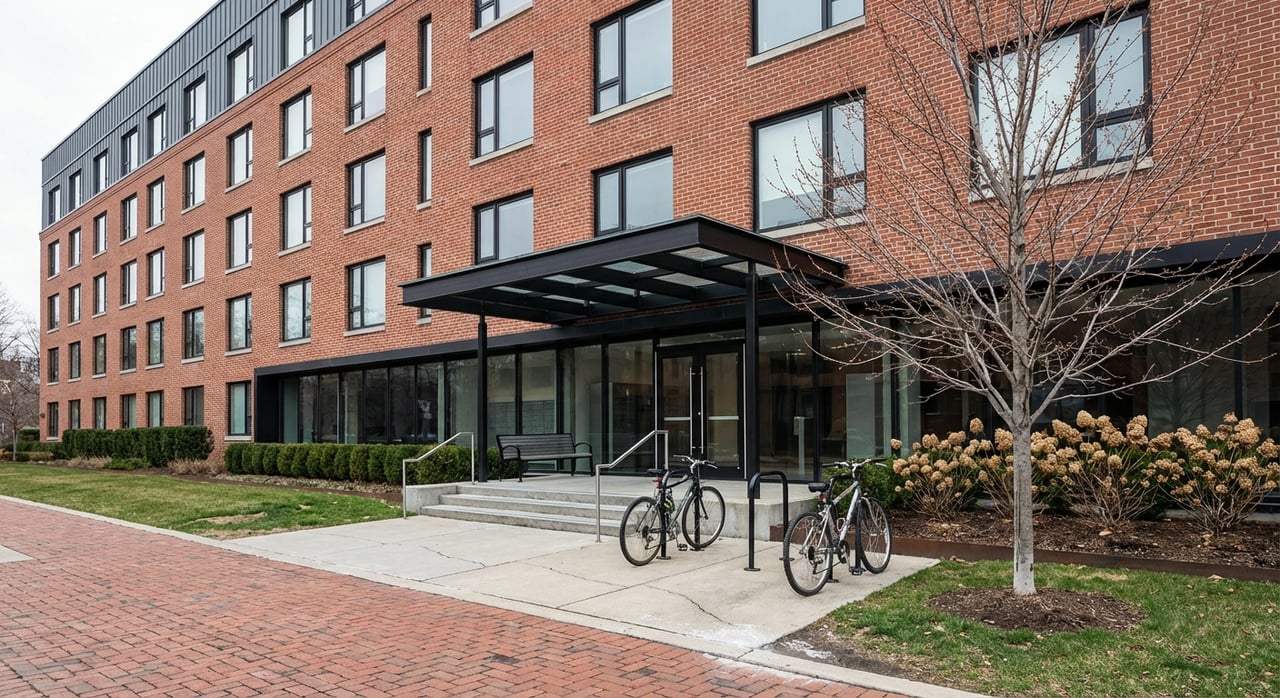
- Building features: Package room, bike storage, and secure entry for deliveries.
- Parking options: If you might keep a car, review garage fees and county parking policies.
- Service reliability: Check WMATA alerts and note bus frequency on your most-used routes.
- Walkability snapshot: Use Walk Score’s Bethesda pages to compare blocks, then ground-truth with your own walks at different times of day.
The bottom line
A car-free lifestyle in Bethesda is most realistic in the downtown core and in select mixed-use nodes like Pike & Rose and Grosvenor-Strathmore. If you live just outside those pockets, a car-light approach is often the sweet spot. With Metro, trails, bikeshare, delivery, and carshare, you can cover most needs with less driving and less hassle.
If you want a home that fits this lifestyle, or you are weighing a move from a more car-dependent neighborhood, connect with an advisor who knows the block-by-block differences. Dewey Reeves can help you evaluate buildings, routes, and routines so your day-to-day life works as well as your home.
FAQs
Is living car-free in downtown Bethesda realistic for most people?
- Yes for many singles and couples. The downtown core has Metro access, dense retail, and services that make daily life manageable on foot, by bike, or with short transit trips.
Which Bethesda areas are best for car-light families with kids?
- Downtown and adjacent neighborhoods like West and Edgemoor work if you rely on walking for errands, school buses for pickups, and occasional ride-hail or carshare for activities.
How do I handle big shopping trips without owning a car in Bethesda?
- Use delivery for bulky items or reserve a nearby Zipcar for a few hours. Many residents plan one larger trip per month and walk for smaller, frequent buys.
What if Metro has delays on the Red Line?
- Check WMATA advisories before you leave and have a backup like Ride On bus routes, bikeshare, or ride-hail for time-sensitive trips.
Are there good bike routes for commuting from Bethesda?
- The Capital Crescent Trail is the primary low-stress route toward D.C., with in-town bikeways supplementing it for local connections.
Where can I find official parking or bus information for Bethesda?
- Visit the Montgomery County Department of Transportation for parking maps and Ride On details, and use WMATA for Red Line and Metrobus information.